
The Ultimate Destination for Monsoon Lovers in Tamil Nadu
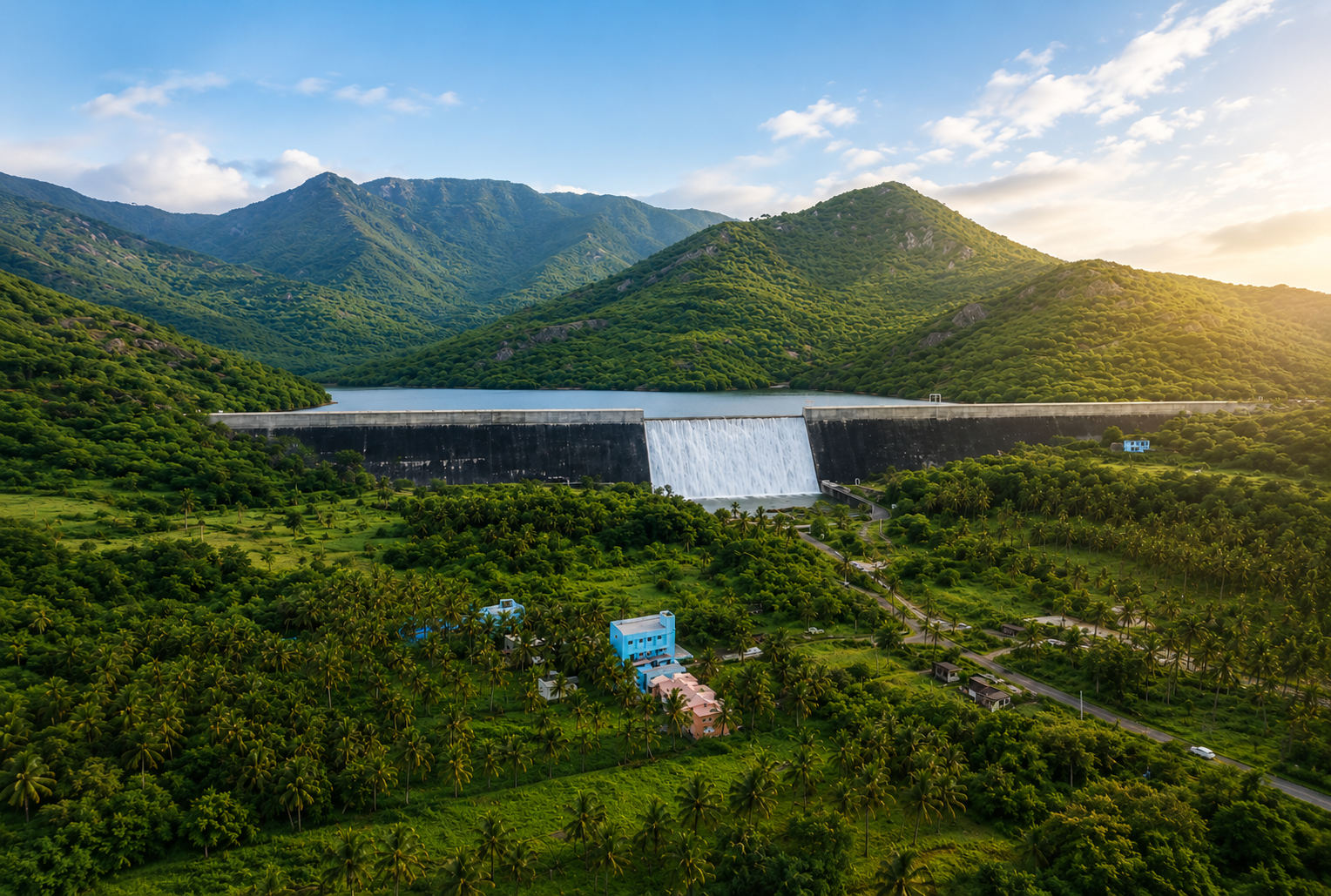
Adavinainar Dam during monsoon season is nothing short of magical. This comprehensive guide covers everything you need to know about visiting this spectacular water body during the rainy season when the dam transforms into a breathtaking natural attraction.
Why Monsoon is the Best Time to Visit Adavinainar Dam
The Monsoon Magic
When the Southwest Monsoon hits the Western Ghats (typically June through September), Adavinainar Dam experiences its most dramatic transformation. The massive 51.5-meter structure fills to capacity, creating spectacular cascading waterfalls that plummet over 2 kilometers along its length.
Why Monsoon Season is Superior
- Peak Water Levels: The dam reaches full capacity (4.927 Mcum storage)
- Spectacular Waterfalls: Natural falls become thundering torrents
- Lush Green Landscape: Entire Western Ghats region turns emerald green
- Perfect Photography: Dramatic skies, mist, and flowing water
- Cooler Temperatures: Pleasant weather due to rainfall
- Agricultural Activity: See farming operations utilizing dam water
- Unique Sound: The roar of falling water creates an immersive experience
Monsoon Calendar and Best Visiting Periods
Southwest Monsoon Season
- Onset: Late May to Early June
- Peak Period: July and August (absolute best time)
- Withdrawal: September
Optimal Visiting Window
July-August represents the sweet spot for Adavinainar Dam visits:
- Maximum water flow
- Spectacular waterfall displays
- Moderate tourism crowds
- Excellent photography opportunities
Early Monsoon (Late June)
- Pros: Still building up, pleasant weather
- Cons: Waterfalls not at peak power
Late Monsoon (Early September)
- Pros: Still very good water flow
- Cons: Risk of heavy rainfall disrupting travel
Practical Visitor Information for Monsoon Season
What to Pack
Essential Items:
- Rain Gear: Heavy-duty waterproof jacket or poncho
- Footwear: Waterproof trekking shoes with good grip
- Bag: Waterproof backpack or dry bags
- Umbrella: Heavy-duty umbrella (not always practical)
- Towels: Quick-dry microfiber towels
- First Aid: Basic kit for small injuries
Photography Equipment:
- Waterproof camera or smartphone protective case
- Lens cleaning cloth (frequent need in mist)
- Tripod (for stable shots in low light)
- Extra batteries (moisture drains power)
Clothing:
- Quick-dry shirts and pants
- Extra set of clothes in dry bag
- Sandals/flip-flops for post-visit change
- Light sweater (mornings can be cool)
Safety Considerations During Monsoon
Critical Safety Points:
- Flash Flood Risk: Avoid being near water channels during heavy rain
- Slippery Surfaces: All rock and concrete surfaces become extremely slippery
- Water Current: Dam spillway discharge can be dangerous
- Road Conditions: Ensure vehicle condition and check routes
- Weather Warnings: Monitor weather reports before visiting
- Restricted Areas: Respect all collector’s orders and barriers
Weather-Related Risks:
- Unexpected heavy rainfall causing sudden water level rise
- Lightning strikes on open areas
- Landslides in surrounding hills
- Poor visibility due to fog and mist
- Cold weather during evening hours
Best Times to Visit (Time of Day)
- Early Morning (6:00 AM – 9:00 AM):
- Cleaner air, better visibility
- Fewer tourists
- Best light for photography
- Cooler temperatures
- Late Morning (9:00 AM – 12:00 PM):
- Good visibility
- Better for casual visits
- More facilities open
- Avoid Afternoon/Evening:
- Often cloudy/misty
- More rainfall likely
- Poor photography conditions
- Difficult travel to return
Getting There: Detailed Travel Guide
From Tenkasi (15 km – Most Common Route)
Route: Tenkasi → Sengottai → Vadakarai → Mekkarai → Dam
- Distance: 15 km
- Time: 20-30 minutes by car
- Road Type: Well-maintained state highway
- Taxi Fare: ₹400-600
- Auto Fare: ₹150-200 (from town center)
Step-by-Step:
- Start from Tenkasi town center
- Take NH-48 towards Sengottai
- At Vadakarai junction, turn left
- Follow signs to Mekkarai
- Dam entrance is in Mekkarai village
From Sengottai Railway Station (12 km)
- By Taxi: ₹300-400
- By Auto: ₹120-150
- Travel Time: 15-20 minutes
- Advantage: Direct railway connection to Chennai and Kollam
From Kadayanallur (15 km)
- Route: Through scenic roads
- Travel Time: 20-25 minutes
- Road Condition: Good but winding
From Tirunelveli (85 km)
- Travel Time: 1.5-2 hours
- Consider: Visiting as part of larger Tirunelveli tour
- Facilities: Better availability in Tirunelveli city
By Air from Thiruvananthapuram (117 km)
- Taxi Cost: ₹2000-3000
- Travel Time: 2-2.5 hours
- Best Option: Rent a car for flexibility
- Advice: Combine with Thiruvananthapuram or Kanyakumari visit
Facilities and Amenities at Adavinainar Dam
On-Site Facilities
Available Amenities:
- Parking area (₹20-50 for vehicles)
- Public restrooms (basic facilities)
- Drinking water (verify during monsoon)
- Small park with benches
- Viewing platforms
Limited Facilities:
- Food stalls (may be closed during heavy rain)
- Accommodation (not available, use Tenkasi/Sengottai)
- Medical facilities (basic only, hospital in Tenkasi)
- ATM machines (bring cash from town)
Nearby Towns – Services and Accommodation
Tenkasi (15 km – Best Option)
- Hotels: Budget to mid-range (₹800-2500)
- Restaurants: Multiple options for South Indian and North Indian food
- ATMs: Multiple banks and ATM facilities
- Shopping: Markets for supplies and souvenirs
- Medical: District hospital available
- Travel Time to Dam: 20-30 minutes
Sengottai (12 km)
- Hotels: Limited options (₹600-1500)
- Basic Facilities: Some restaurants and shops
- Railway Station: Main connectivity hub
- Travel Time to Dam: 15-20 minutes
Mekkarai Village (Adjacent)
- Local Homestays: Authentic experience (₹300-800)
- Local Food: Traditional Tamilian meals
- Advantage: Closest to dam, authentic experience
- Disadvantage: Very basic facilities
Activities and Things to Do
Primary Activity – Waterfall Viewing and Photography
The Main Attraction: Over 2 km of continuous waterfalls
- Best Spots:
- Main spillway area (most dramatic)
- Upper terraces (wide views)
- Lower basin (close-up shots)
- Photography Tips:
- Use fast shutter speed to freeze falling water
- Experiment with slow shutter (3-5 sec) for silky water effect
- Capture mist and spray patterns
- Photograph flora in rain
- Wide-angle shots show scale better
Trekking and Nature Walks
Available Trails:
- Dam Walk: Along the 670-meter length of masonry dam
- Nature Trail: Through surrounding forest (check accessibility)
- Village Walk: Explore Mekkarai village
- Duration: 30 minutes to 2 hours
- Difficulty: Easy to moderate
Flora to Observe:
- Western Ghats endemic plants
- Monsoon flowering trees
- Ferns and moss growth
- Rainforest ecosystem
Picnicking and Relaxation
- Picnic Spots: Designated park area
- Best Time: Early morning before crowds
- Facilities: Benches and open areas
- Tip: Bring waterproof picnic supplies
Birdwatching
Best Seasons: Monsoon attracts migratory birds Species to Look For:
- Crested Serpent Eagle
- Paradise Flycatcher
- Hill Myna
- Various kingfisher species
- Brahminy Kite
Tips:
- Visit early morning for best sightings
- Bring binoculars and guidebook
- Move slowly and quietly
- Monsoon vegetation provides good cover
Practical Visitor Tips
Beating the Crowds
- Visit Weekdays: Fewer tourists than weekends
- Early Morning: Arrive by 6-7 AM
- Off-Peak Months: June or early September less crowded than July-August
Money Matters
- Bring Cash: Limited ATM access near dam
- Budget Breakdown:
- Entry: Free (verify current policy)
- Parking: ₹20-50
- Transport: ₹300-600 (depending on origin)
- Food: ₹200-500 (outside dam area recommended)
- Accommodation: ₹600-2500 in nearby towns
- Total Budget: ₹1500-4000 per person per day
Food and Dining
At the Dam:
- Limited food stalls (may close in heavy rain)
- Basic snacks and beverages
- Not reliable for meal planning
Recommendations:
- Eat in Tenkasi before visiting
- Bring snacks and water bottles
- Pack dry food items
- Carry energy bars or biscuits
Photography Best Practices
- Arrive Early: Best light at dawn
- Multiple Angles: Shoot from various vantage points
- Weather Play: Dark clouds make dramatic backgrounds
- Water Dynamics: Capture changing water patterns
- People Scale: Include visitors for scale reference
- Seasonal Change: Return in different months
Health and Wellness Considerations
Monsoon Health Issues
Common Concerns:
- Water-related illnesses (hepatitis, typhoid)
- Respiratory issues due to mold spores
- Slips and falls on wet surfaces
- Hypothermia in cold rain
- Insect-borne illnesses
Prevention Tips:
- Drink only purified/bottled water
- Avoid touching face with wet hands
- Use slip-resistant footwear
- Carry dry change of clothes
- Take malarial precautions (consult doctor)
- Apply insect repellent
What to Do in Medical Emergency
- Nearest Hospital: Tenkasi District Hospital (15 km)
- Emergency Contact: 108 (Ambulance)
- Medical Shops: Available in Tenkasi
- Inform: Local authorities or your accommodation
Environmental Responsibility
Sustainable Tourism Practices
Do This:
- Take all trash with you
- Use designated pathways
- Respect safety barriers
- Photograph responsibly
- Support local businesses
- Use biodegradable products
Avoid This:
- Littering (especially plastics)
- Trespassing in restricted areas
- Disturbing wildlife
- Graffiti or vandalism
- Excessive noise
- Damage to vegetation
Water Conservation Awareness
- Understand dam’s role in water management
- Appreciate agricultural benefits
- Respect farmer communities
- Support sustainable practices
Seasonal Comparison – Why Monsoon Beats Other Seasons
Summer Season (April-May)
- Water levels: Low
- Temperature: Very hot (35°C+)
- Waterfalls: Non-existent
- Verdict: Poor for visiting
Post-Monsoon (October-November)
- Water levels: Good but decreasing
- Temperature: Pleasant (25-30°C)
- Waterfalls: Moderate flow
- Verdict: Good alternative to monsoon
Winter (December-February)
- Water levels: Declining
- Temperature: Cool and comfortable (20-25°C)
- Waterfalls: Minimal
- Tourism: Moderate crowds
- Verdict: OK for casual visit
Early Monsoon (Late May-Early June)
- Water levels: Building up
- Temperature: Warm and wet (25-30°C)
- Waterfalls: Starting to form
- Verdict: Good but not peak
Peak Monsoon (July-August) – BEST
- Water levels: Maximum
- Temperature: Cool (22-25°C)
- Waterfalls: Spectacular
- Rainfall: Intermittent (adds drama)
- Verdict: Perfect for visiting
Sample Monsoon Itinerary
One-Day Visit from Tenkasi
6:00 AM - Depart Tenkasi
6:30 AM - Arrive at Adavinainar Dam
7:00 AM - 9:30 AM - Explore upper areas, photography
9:30 AM - 11:00 AM - Waterfall viewing and trekking
11:00 AM - 12:00 PM - Picnic or rest
12:00 PM - Depart for Tenkasi
1:00 PM - Lunch in Tenkasi
Two-Day Visit (Tenkasi Base)
Day 1:
- Morning: Visit dam early
- Afternoon: Explore Tenkasi town
- Evening: Local attractions in Tenkasi

Day 2:
- Early morning: Return to dam for best photography
- Late morning: Depart
Three-Day Extended Trip
Day 1:
- Arrive Tenkasi
- Evening: Local exploration

Day 2:
- Full day at Adavinainar Dam
- Photography and nature walk
- Mekkarai village exploration

Day 3:
- Early morning dam visit
- Afternoon: Depart or visit nearby attractions
Nearby Attractions to Combine Your Visit
Within 30 km
- Tenkasi Town: Shopping, temples, restaurants
- Papanasam: Nearby scenic location
- Mekkarai Village: Local culture and homestays
- Sengottai: Railway hub and small town attractions
Within 50 km
- Tirunelveli City: Major city with attractions
- Courtallum (Kundalanayaki): Famous waterfalls (30 km)
- Nagercoil: Shopping and temples
- Kanyakumari: Coastal attractions (60 km away)
Final Monsoon Visiting Checklist
Before You Go:
- [ ] Check weather forecast
- [ ] Verify access (check restrictions)
- [ ] Book accommodation
- [ ] Arrange transport
- [ ] Get cash from ATM
- [ ] Inform someone of your trip
- [ ] Check vehicle condition
- [ ] Pack all recommended items
- [ ] Take important documents
- [ ] Verify emergency contacts
Day Before:
- [ ] Charge all devices
- [ ] Prepare waterproof bags
- [ ] Set alarm for early morning
- [ ] Confirm transport arrangements
- [ ] Prepare packed food if needed
Day of Visit:
- [ ] Wake up early (5:30-6:00 AM)
- [ ] Check weather once more
- [ ] Start journey early
- [ ] Stay hydrated
- [ ] Follow all safety guidelines
- [ ] Respect restricted areas
- [ ] Take photos responsibly
- [ ] Leave no trace
Conclusion
Adavinainar Dam during monsoon season offers an unparalleled experience combining natural beauty, engineering marvel, and adventure. With proper planning, appropriate gear, and respect for safety guidelines, your visit will create lasting memories of one of Tamil Nadu’s most spectacular water bodies.
Whether you’re a nature lover, photographer, adventure seeker, or simply someone wanting to escape city life, monsoon at Adavinainar Dam delivers an unforgettable experience. The thundering waterfalls, lush landscape, and cool climate create a perfect monsoon getaway destination.
Plan your visit today and experience the magnificence of Adavinainar Dam in all its monsoon glory!
Monsoon tourism Tamil Nadu, Adavinainar Dam monsoon, waterfall viewing, monsoon travel guide, rainy season tourism, dam tourism, Western Ghats monsoon, July August vacation Tamil Nadu
This guide is regularly updated with current visitor information. Check local authorities for latest travel advisories before your visit.